What Is a Lithophane?
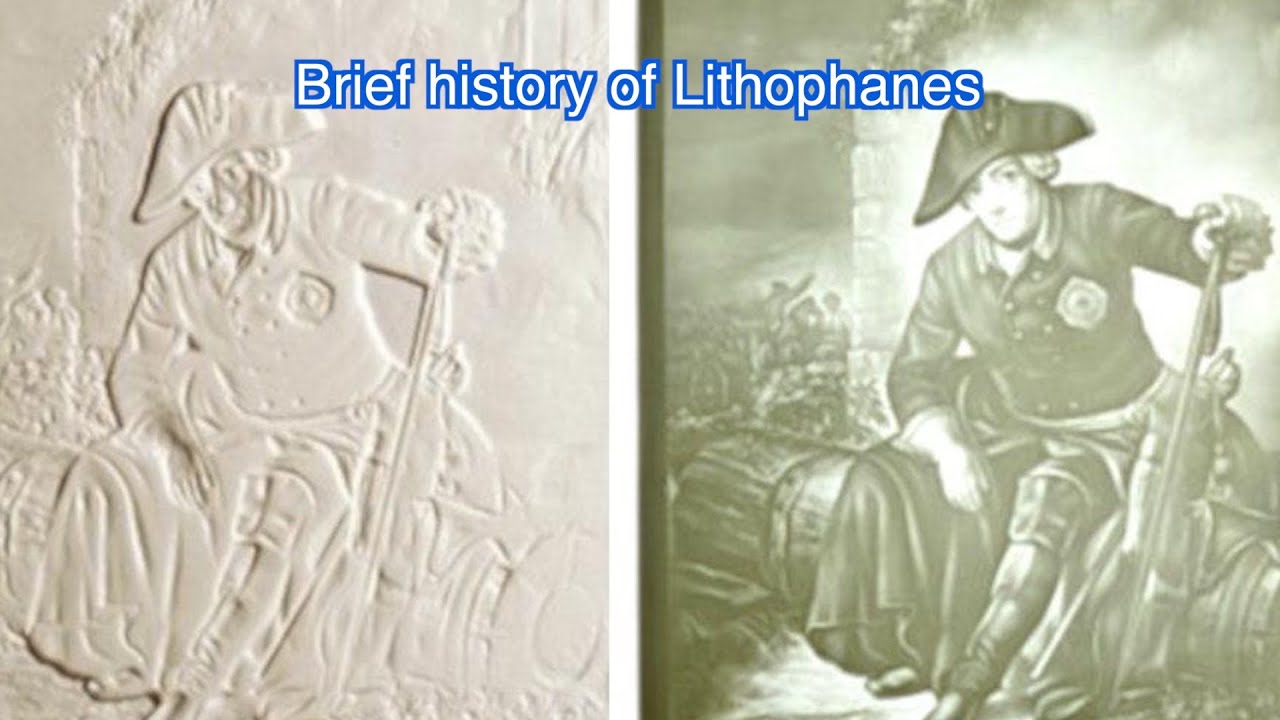
A lithophane is an image etched or moulded into a thin, translucent material — typically porcelain or, today, white PLA plastic. When held flat in normal light it looks like little more than a textured white panel. But hold it up to a light source and something remarkable happens: the varying thickness of the material blocks or passes different amounts of light, revealing a detailed, glowing image with natural shading and depth.
The thinner areas let more light through, appearing bright. The thicker areas block light, creating shadows. No ink, no dyes — just the physical thickness of the material doing all the work.
Where Did They Come From?
The lithophane was invented in France in the early 1820s. The most commonly credited inventor is Baron Paul de Bourgoing, who patented the technique in 1827. The idea spread quickly — within a decade, the major European porcelain manufacturers had picked it up, most notably the Royal Porcelain Factory in Berlin (KPM), as well as factories in Meissen, Sèvres, and the English Parian ware makers.
The word itself comes from the Greek: lithos (stone) and phainein (to show). Stone that shows — a fitting name for something so quietly magical.
A Timeline
How Were They Used?
In the Victorian era, lithophanes were primarily decorative objects for wealthy households. They appeared as panels inside lamp shades — when the lamp was lit, the scene would glow to life. They were set into window frames like stained glass, used as night lights, and even built into the bottoms of beer steins and tea cups, so the image only appeared when the cup was drained and held up to the light.
Portraits were especially popular. Having a lithophane made of a loved one was a mark of status — a personal, intimate keepsake at a time when photographs were still new and paintings were expensive. Kings, queens, and notable figures all appeared in lithophane form, produced in small runs and sold across Europe.
The 3D Printing Revival
The modern revival is, in many ways, more democratic than the original. Anyone with a 3D printer and a photo can create a lithophane that would have taken a skilled craftsman days to engrave by hand. The material changed — white PLA plastic instead of bisque porcelain — but the optical principle is identical. Light, thickness, shadow. That's all it has ever been.
Today, lithophanes are printed as gifts: portraits of children, pets, couples, grandparents. Framed and backlit on a shelf or beside a lamp, they carry the same quiet warmth they always have. The technology changed. The feeling didn't.
Want one made from your photo?
We handcraft custom lithophanes in the UK — upload a photo and we take care of the rest.
Order Yours →